Why Lifestyle Images Outsell Styled Shots — And Drive Larger Orders
Why Lifestyle Images Outsell Styled Shots — And Drive Larger Orders
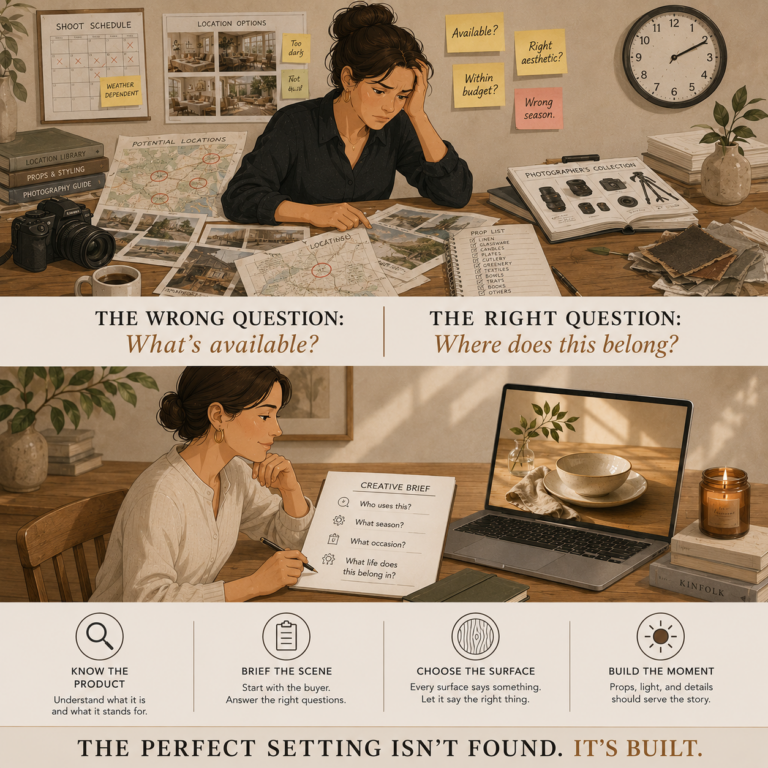
Styled images show everything you sell. Lifestyle images show how it sells.
That single difference explains why two brands with identical product can produce completely different sales results.
The reason is simple: buyers don’t purchase patterns. They purchase outcomes.
Lifestyle images show the outcome. Styled images show the inventory.
The Proof Is Already on the Market
Crate & Barrel. Pottery Barn. Williams Sonoma.
Every major home retailer invests heavily in lifestyle imagery — and they don’t do it for aesthetics. They do it because it moves product.
When Crate & Barrel shoots a Leanne Ford collection, they don’t show a grid of pieces. They show a table. A room. A moment. Then they show the close-ups that answer the buying questions.
That’s not a styling choice. That’s a selling strategy.
1. Lifestyle Sells Use, Not Just Appearance
A styled image says: “Here are all the pieces in the collection.”
A lifestyle image says: “Here’s how this lives in a home.”
Retailers — and their customers — buy the second one.
Why it works:
- It removes guesswork
- It answers “What do I do with this?”
- It makes the product feel necessary, not optional
When a buyer can see exactly how something works, they stop hesitating.
Less hesitation means higher conversion.
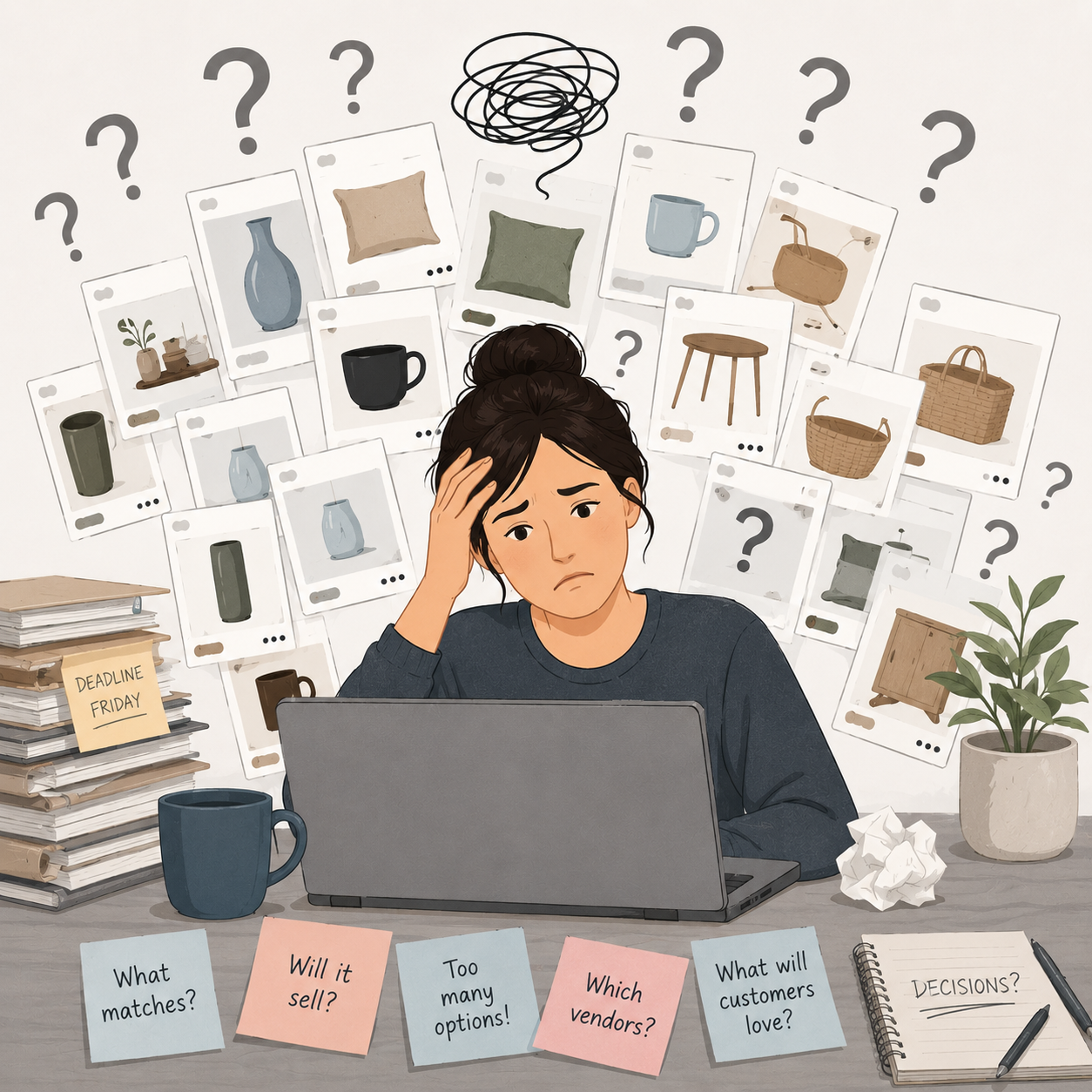
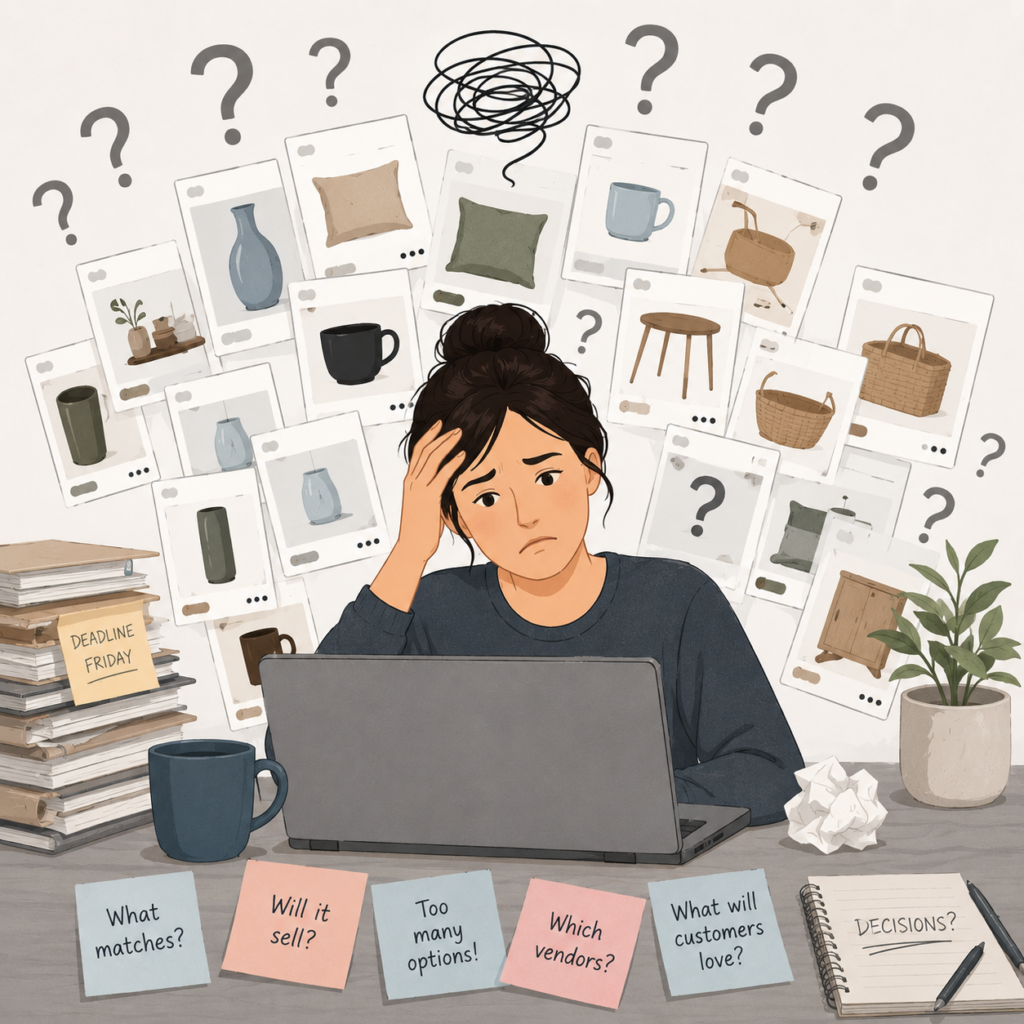
And when your imagery answers every question before they ask it — overwhelm disappears. Clarity takes over. Orders follow.
2. Lifestyle Increases Units Per Order
This is where the money is.
With a styled grid, buyers think in SKUs:
- They see items individually
- They order selectively
- One bowl. One plate. One mug.
With a lifestyle scene, buyers think in systems:
- They see a complete look
- They order to recreate it
- 12 bowls. Matching plates. Serveware to complete the table.
The difference between a $200 order and a $2,000 order is often nothing more than the image.
Styled → “I’ll take the bowl.” Lifestyle → “I need the whole table.”
That’s not an exaggeration. That’s how buying decisions work when the image does its job.
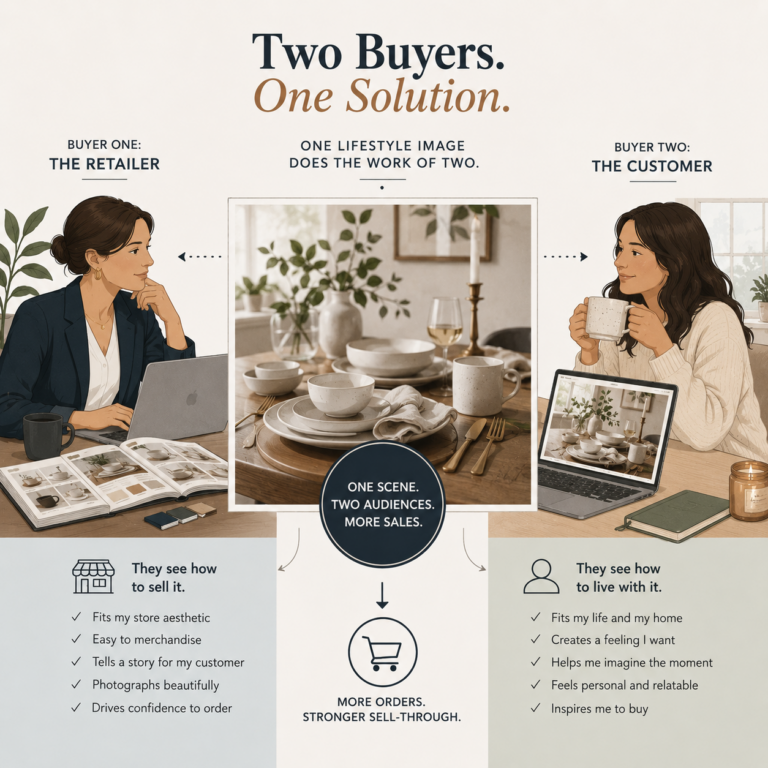
3. It Shifts Retail Buyers From Product to Merchandising
Most of your customers are retailers, not end consumers.
Retailers aren’t just asking “Is this nice?”
They’re asking:
- Will this sell on my floor?
- How do I display it?
- What story does it tell my customer?
- Can I build a vignette around this?
Styled images don’t answer those questions.
Lifestyle images do.
They show spacing. Pairing. Mood. How pieces work together in a real setting.
You’re not just selling product. You’re giving them a floor plan.
When a buyer can see how to merchandise your line, they order with confidence — and they order more of it.
4. Lifestyle Creates Emotional Anchoring
People don’t remember “beige reactive glaze bowl, 6-inch.”
They remember “that quiet morning table scene.”
That emotional imprint matters because:
- It increases recall at reorder time
- It raises perceived value
- It reduces price sensitivity
When a product lives in a buyer’s memory as a feeling rather than a SKU, it stops competing on price.
That’s exactly how the best home brands are built — on Pinterest, on Instagram, in editorial catalogs. Everything has shifted to show me how it looks in real life.
Imagery that feels current and editorial moves product. Imagery that feels static and catalog-era does not.
The Simplest Way to Say It
When buyers can see how it lives, they stop picking pieces and start ordering collections.
That’s the case for lifestyle imagery — not as a luxury, but as a sales tool.
The brands leading the market already know this. The question is whether your imagery says the same thing about your line.
Go483 builds lifestyle image systems for wholesale home and tableware brands — one controlled environment, every asset you need to sell. Learn how it works.